About the FSMC
Convening First Nations Governance
Through Processes, Structures, and Relationships
We convene First Nations and their fisheries organizations to advance First Nations’ rights and interests in the collaborative governance, management, and conservation of Fraser salmon and their fisheries.
About Us
In 2012, Fisheries and Oceans Canada (DFO) and sixty First Nations signed a letter of understanding committing to work together on a government-to-government basis to develop processes and agreements for the management and conservation of Fraser salmon. The FSMC was formed in 2014 to negotiate, develop, and implement the Fraser Salmon Collaborative Management Agreement (CMA) on behalf of signatory First Nations.
In 2019, the CMA was ratified by eighty percent of its seventy-six signatory First Nations and endorsed by both DFO and the FSMC. The CMA describes a collaborative process and structure to support the collective exercise of DFO and signatory Nations’ decision-making for the management and conservation of Fraser salmon and their fisheries. The CMA provides a framework for government-to-government decision-making in the collaborative governance, management, and conservation of Fraser salmon at the migratory route scale. The Fraser Salmon Executive, Fraser Salmon Management Board, and the Joint Technical Committee were created through the CMA and serve as the organizational structure to advance government-to-government collaborations and decision-making for Fraser salmon conservation and fisheries management.
Visit the Collaborative Management Page Here for More Information
The Role of FSMC
The FSMC serves as the Secretariat for the Fraser Salmon Management Board, and convenor of Fraser First Nations to advance nation-to-nation collaborations and decision-making for First Nations governance and management of Fraser salmon fisheries and their conservation.
Our Values
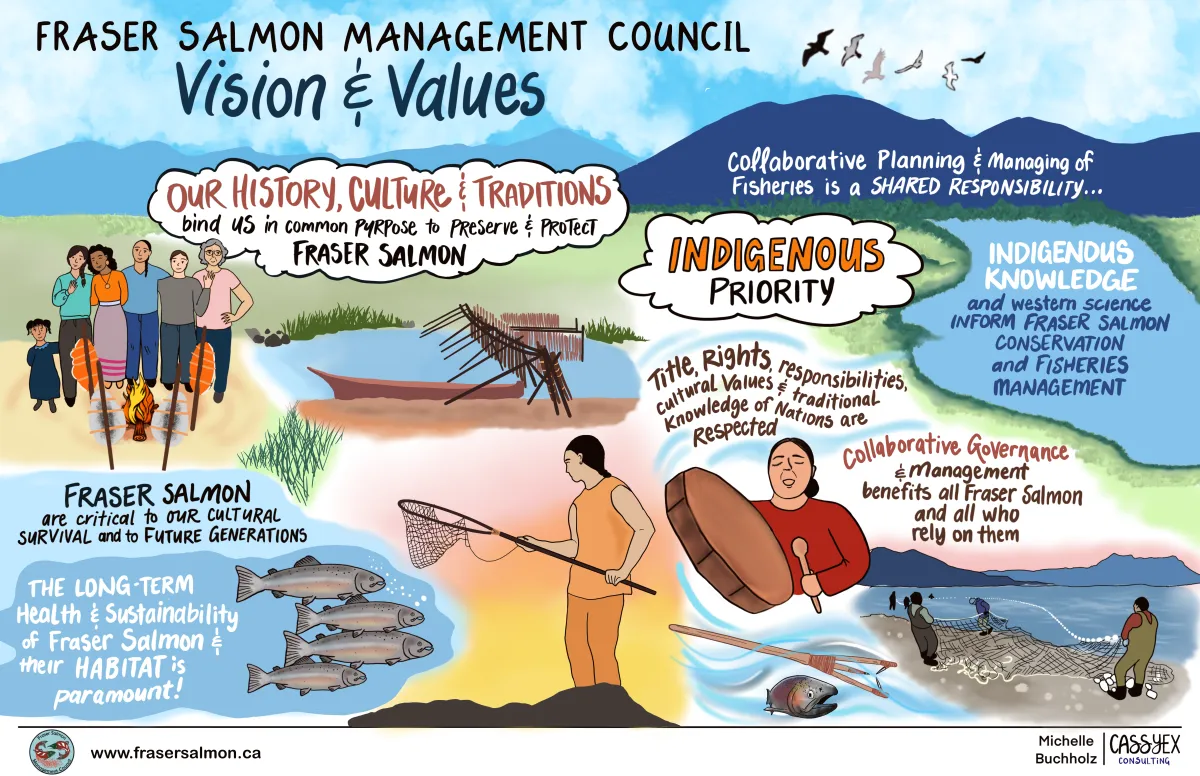
The FSMC believes the history, culture, and traditions of Fraser River First Nations bind us in common purpose to preserve and protect Fraser salmon and Fraser salmon fisheries. We understand that the long-term survival of Fraser salmon populations is critical to the cultural survival of First Nations. We work to understand and celebrate First Nations’ unique and distinct ways of being to develop shared connections and acknowledge that title, rights, existing treaty rights, responsibilities, cultural values, beliefs, practices, and traditional knowledge of signatory and non-signatory First Nations will be respected in our processes.
Our Purpose
The purpose of the FSMC is to create, promote, and support government-to-government, nation-to-nation structures for the collaborative governance, management, and conservation of Fraser salmon. We work to coordinate the expertise and technical capacity of First Nations and their fisheries organizations to advance the collaborative development of First Nations’ positions and mandates for negotiation of Fraser salmon conservation and fisheries management decisions with Fisheries and Oceans Canada.
Our Mandate
The mandate for negotiation and collaborative decision-making is given to the FSMC Main Table and FSMC-Fraser Salmon Management Board members through resolutions approved by the Member Delegates of FSMC Signatory Nations at FSMC assemblies. Refer to our FSMC Constitution and By-laws for details on the process, and roles and responsibilities of our Main Table Directors.
The FSMC-Fraser Salmon Management Board members use these resolutions to develop negotiating positions and decisions for the collaborative governance, management, and conservation of Fraser salmon and their fisheries. Schedule F of the Fraser Salmon CMA outlines the FSMB process.
Our Council
Our FSMC Main Table Directors, Fraser Salmon Management Board, and Joint Technical Committee members are appointed by our Signatory Nations and First Nations fishery organizations across the four geographic regions of the Fraser River’s freshwater and marine ecosystems.
Main Table
The FSMC Main Table consists of nine Member Delegates appointed, as Directors, by majority resolution at a Signatory Assembly for a four-year term. Main Table Directors give negotiation direction, and draft and recommend Mandates to Signatory Assemblies. Our Directors also provide information and discuss issues of regional and cross-regional concern as they pertain to Fraser salmon fisheries management and conservation. The Main Table carries out the direction given to it by the Signatory Assembly.
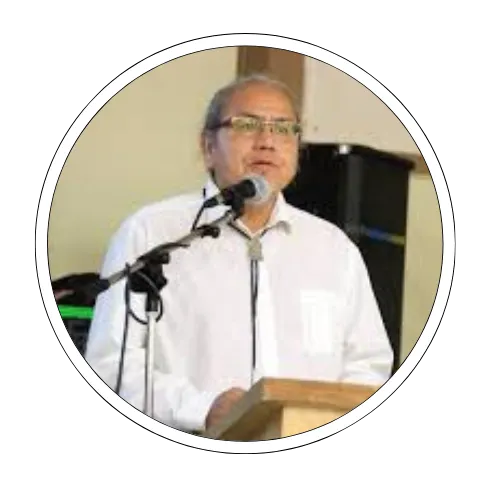
Larry George
Cowichan Tribes
Marine & Approach
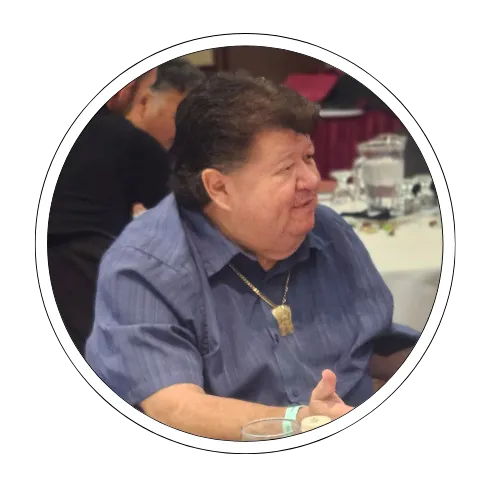
Victor Isaac
‘Namgis
Marine & Approach
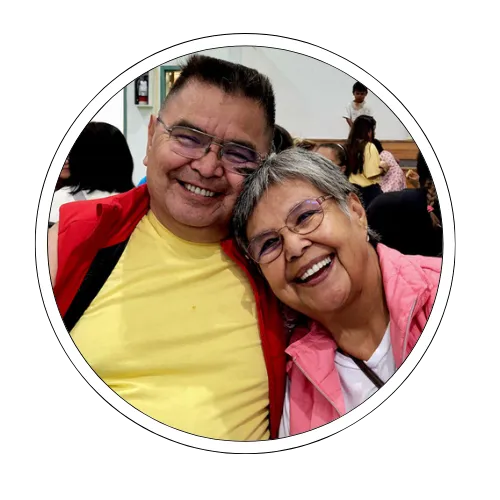
Harold Amos
Ehatis / Ehattesaht
(Nuu-Chah-Nulth)
Marine & Approach
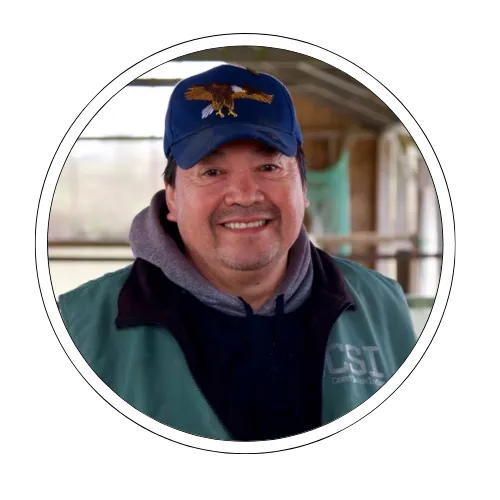
Les Antone
K wantlen
Lower Fraser
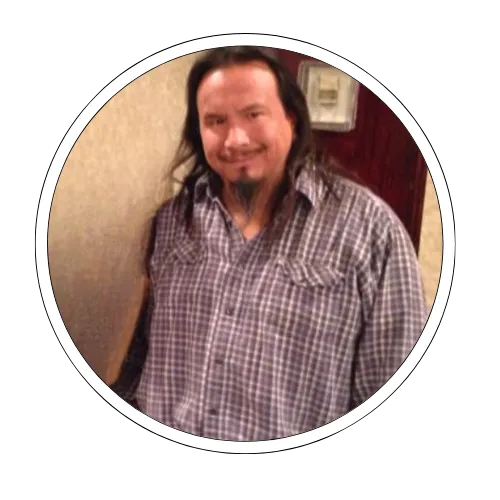
Dominic Hope
Yale First Nation
Lower Fraser

President Tina Donald
Simpcw
Mid Fraser
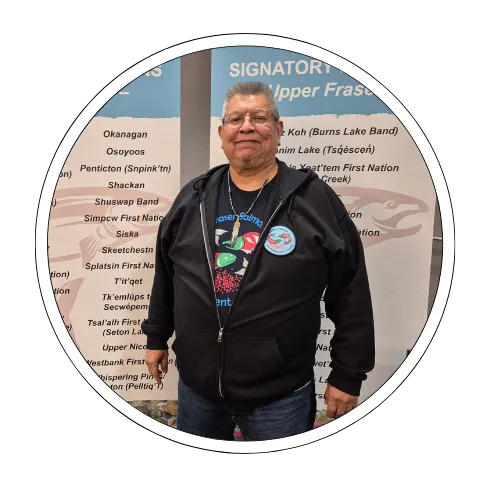
Oliver Peters
Xa’Xtsa
Mid Fraser
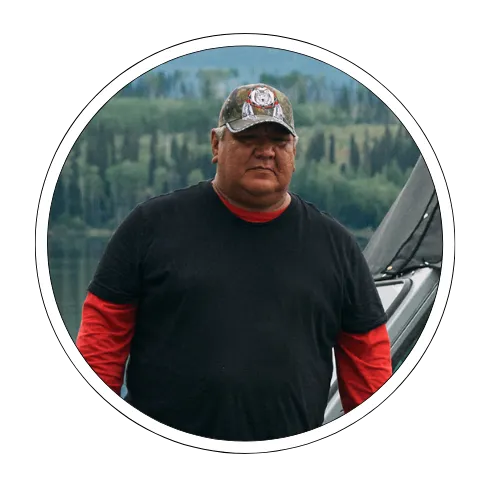
Keith West
Takla Nation
Upper Fraser
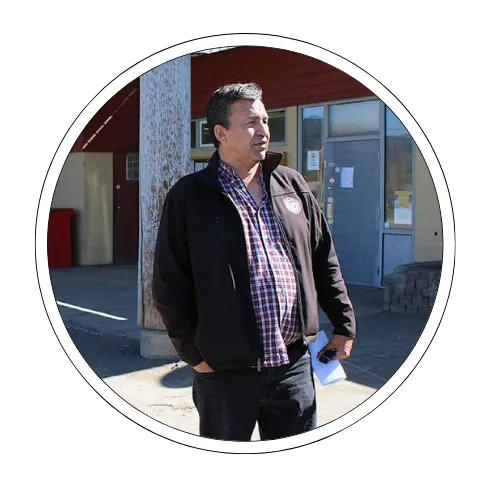
Vice President Pete Erickson
Nak’azdli Whut’en
Upper Fraser
FSMC delegates for the Fraser Salmon Management Board
The FSMC appoints four regional representatives to the Fraser Salmon Management Board (FSMB) to contribute to the development of consensus recommendations or decisions on agreed-upon priorities for the collaborative governance, management, and conservation of Fraser salmon, as set out in the FSMB annual work plan. Board members serve a two-year (renewable) term.
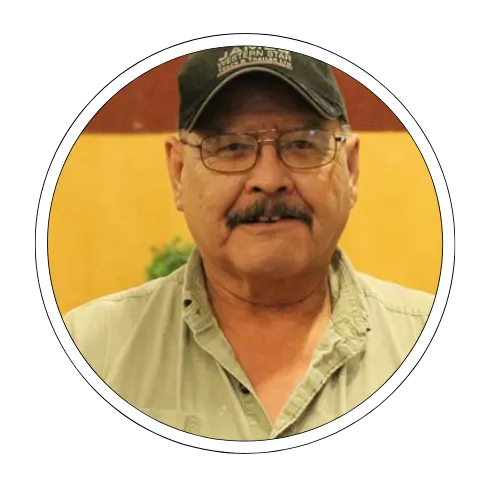
Thomas Alexis
FSMC Upper Fraser
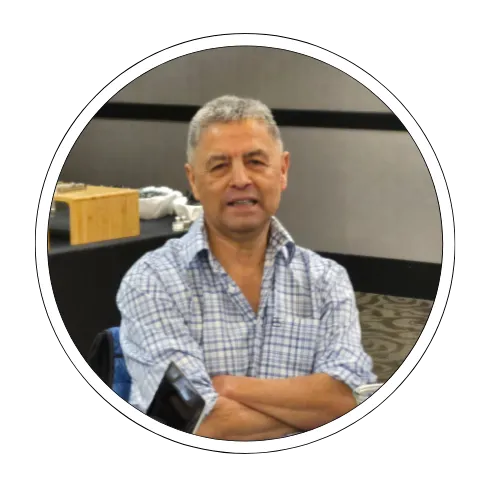
Pat Matthew
FSMC Mid Fraser
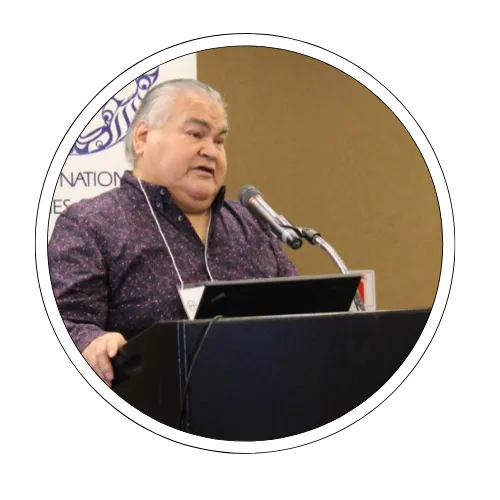
Ken Malloway
FSMC Lower Fraser
Tony Roberts Jr
FSMC Marine & Approach
FSMC delegates for the Joint Technical Committee
The FSMC also appoints five technical representatives (a Co-chair and four regional representatives) to the Joint Technical Committee (JTC) to transparently and collaboratively undertake analysis of data and information to provide the FSMB with technical information, recommendations, and management options relevant to the collaborative governance, management, and conservation of Fraser salmon, as set out in the JTC annual work plan. The FSMC appoints its technical experts from fisheries organizations that hold Fraser Salmon Memorandums of Unity.

Chair/Co-Chair Aidan Fisher
FSMC JTC Co-Chair
Shamus Curtis
FSMC Upper Fraser
Nicole Fredrickson,
FSMC Island & Marine Approach
Michael Staley
FSMC Lower Fraser
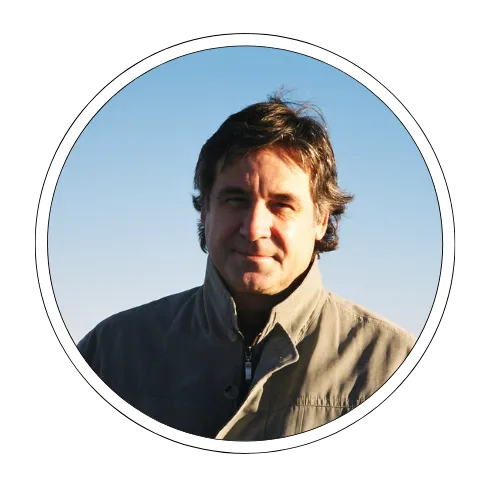
Marc Labelle
FSMC Mid Fraser
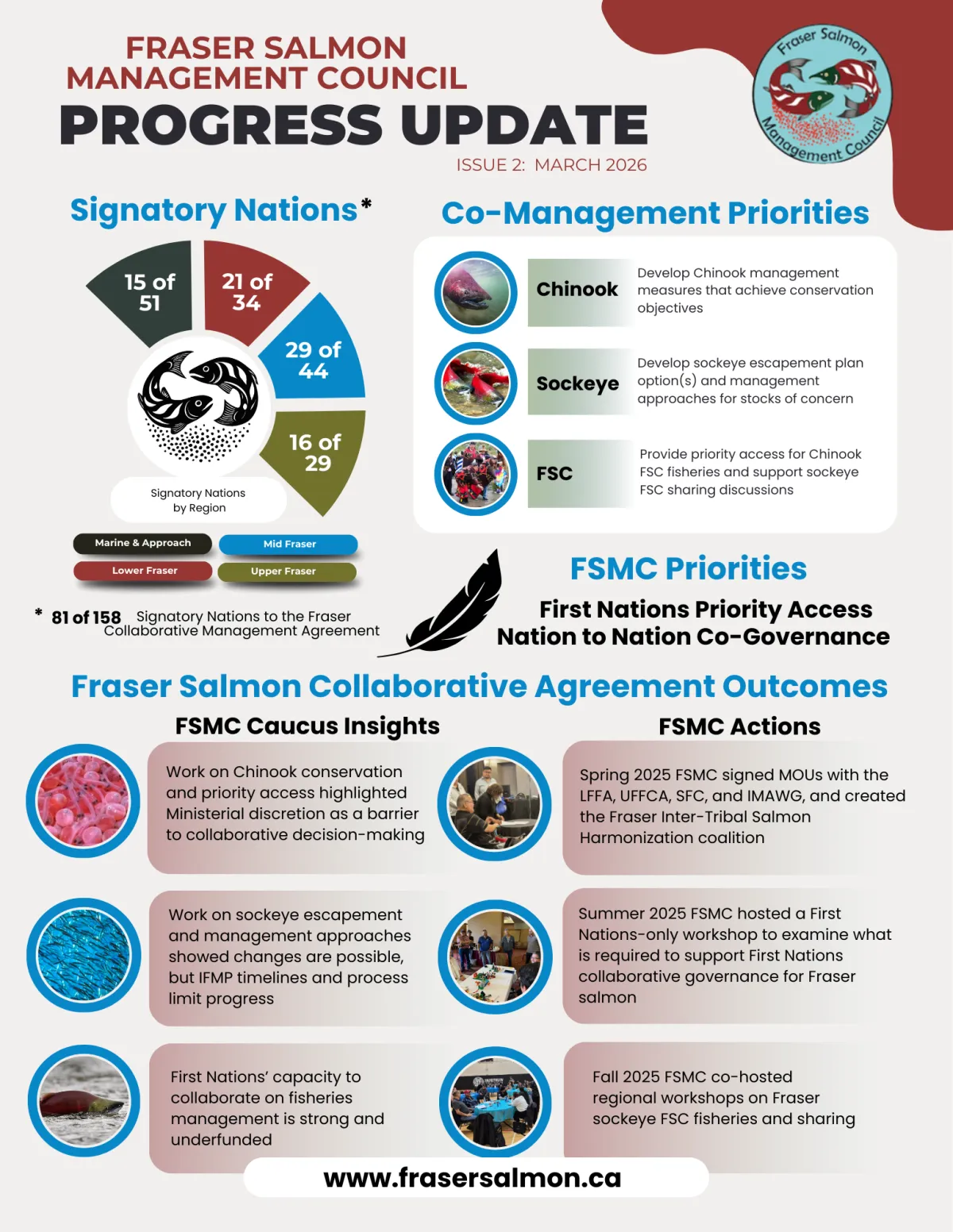
Signatory Nations
FSMC Staff
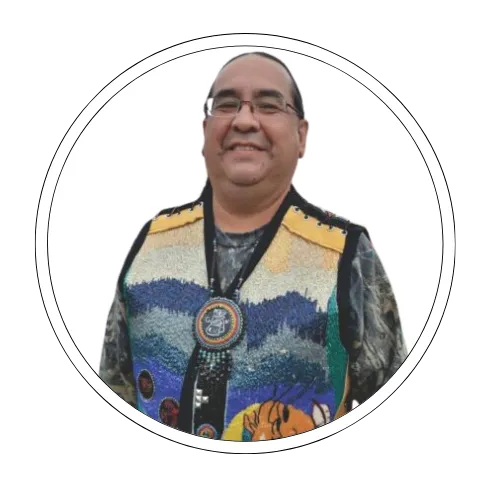
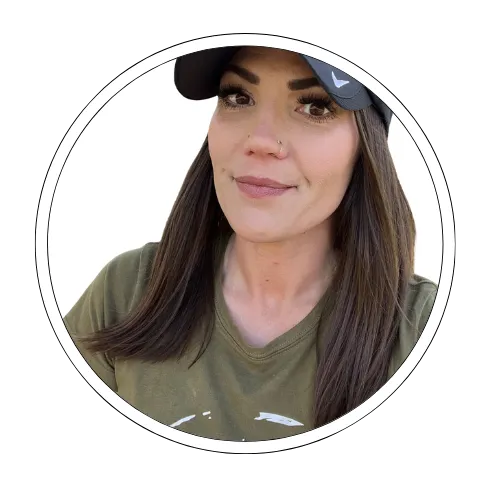
Kristin Norman
Executive Assistant
(On Leave)